


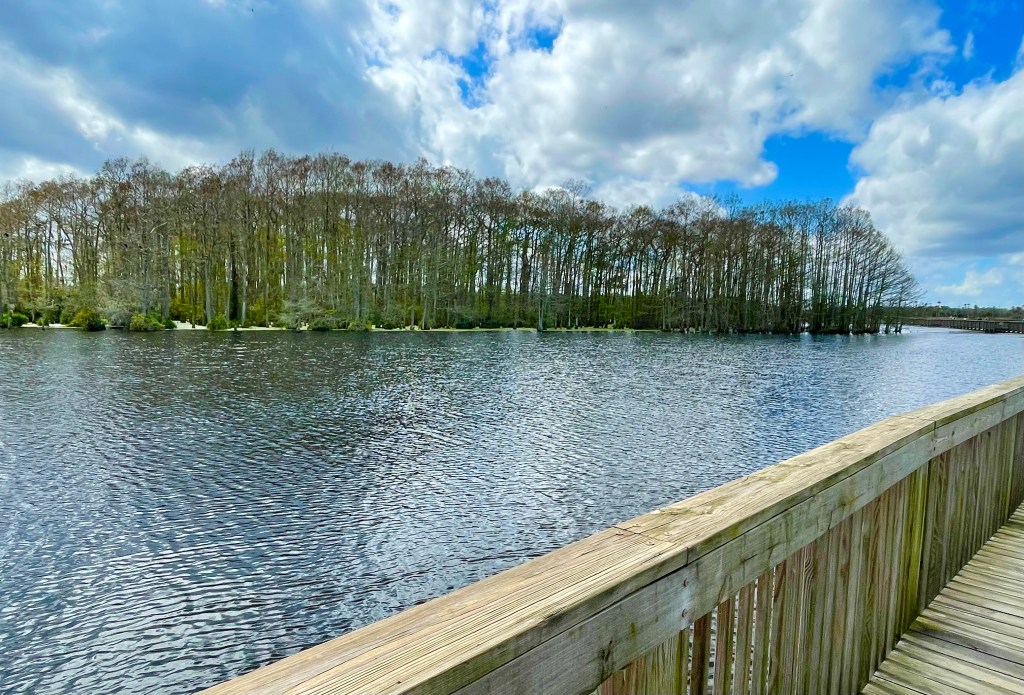
Most of us take for granted what happens to the water we flush down our toilets, and few would suspect that its destination would be a fun place to spend a Sunday morning. But one of Orlando’s most popular outdoor spots for seeing birds and alligators is actually doing double-duty as a wastewater treatment facility. With 18 miles of trails and a long boardwalk, Orlando Wetlands Park lives up to its reputation for being Central Florida’s prime bird-watching destination. And although its crowds may deter serenity seeking hikers like me, a picturesque section of the Florida National Scenic Trail runs through the Seminole Ranch Conservation Area next door and can be connected to Orlando Wetlands for a pleasant 5.3-mile hike that offers the best of both worlds.
Lying just northeast of historic Fort Christmas, Orlando Wetlands plays a key role in cleansing Central Florida’s wastewater before it is eventually returned to the nearby St. John’s River after passing by canal through the floodplains and forests of Seminole Ranch Conservation Area. After being used for years for cattle ranching, the former pastures now containing Orlando Wetlands Park became the home of the Iron Bridge Water Reclamation Facility in 1979, which initially drained wastewater from Orlando into the Econlockhatchee River. But as the region grew and expansion was required, the city adopted the more innovative and cleaner solution of converting the property into a man-made wetlands system for treating reclaimed water. Adjacent lowlands connecting to the St. John’s River were also purchased in the 1980s by the Save Our Rivers Program and became Seminole Ranch Conservation Area.
After being processed at a sewage treatment facility, reclaimed wastewater from Orlando now spends a bit more than a month traveling through three huge man-made marshes at Orlando Wetlands, beginning its journey in a deep marsh of cattails and giant bulrush. Then the water moves east into a mixed marsh of pickleweed and other emergent and submerged aquatic plants. It then flows into a hardwood swamp of cypress, pop ash, and water hickory, all the while being cleansed of nitrogen and phosphorus that otherwise could damage Florida’s aquatic ecosystems. Finally, after testing to assure its decontamination, the water flows by canal through Seminole Ranch Conservation Area to the St. John’s River. Orlando Wetlands has the capacity to process as many as 35 million gallons of reclaimed water a day and has been open to the public for recreational use since the 1990s.
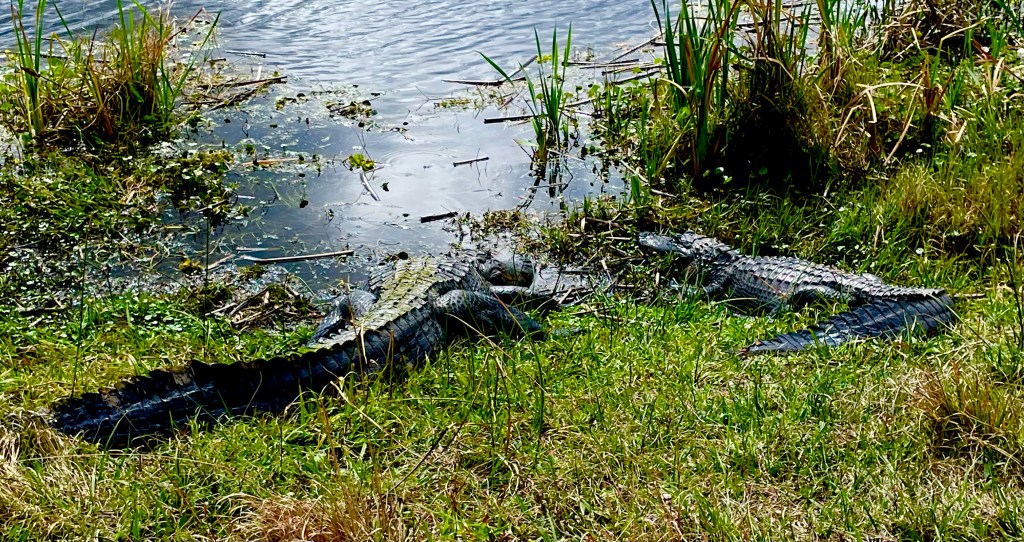
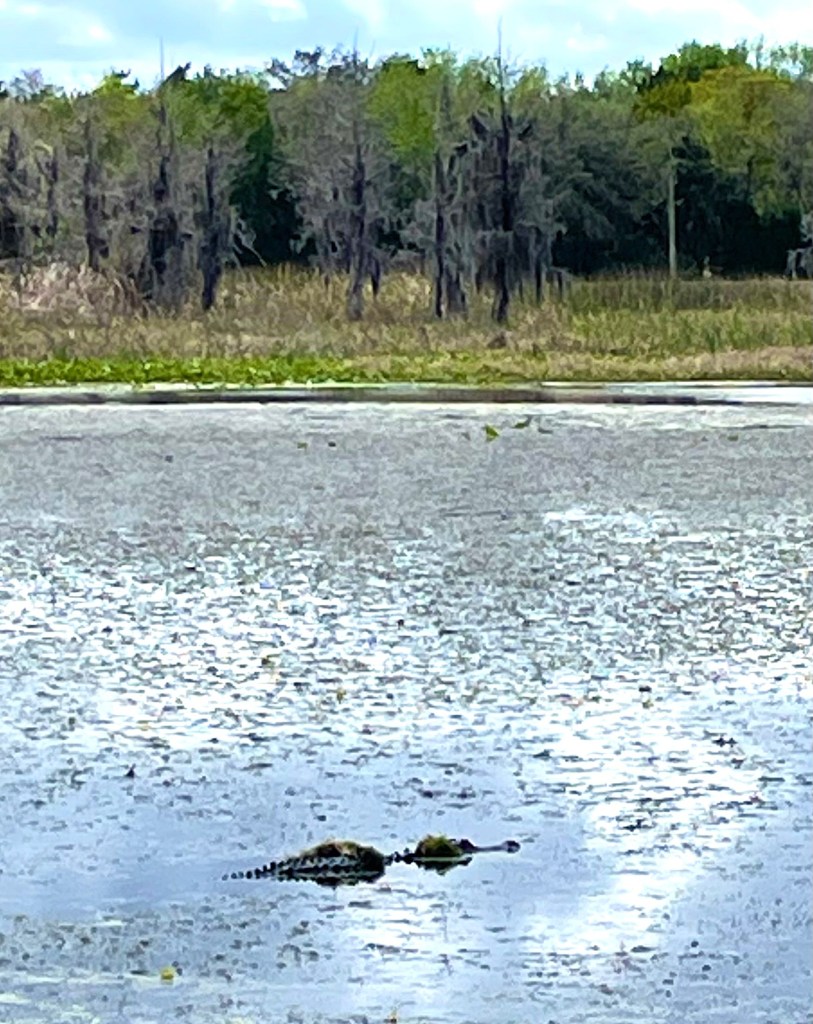
With tram cart tours and a well-appointed Visitors Center, Orlando Wetlands Park attracts scores of visitors and nature photographers for good reasons. It is home or a stop for hundreds of year-round and migratory birds, including blue- and green-winged teals. roseate spoonbills, many species of ducks and herons, hawks, osprey, and even bald eagles. With elevated berms and boardwalks crisscrossing the wetlands, it’s easy to get close to these birds—as well as the large population of alligators often lounging on the berms.
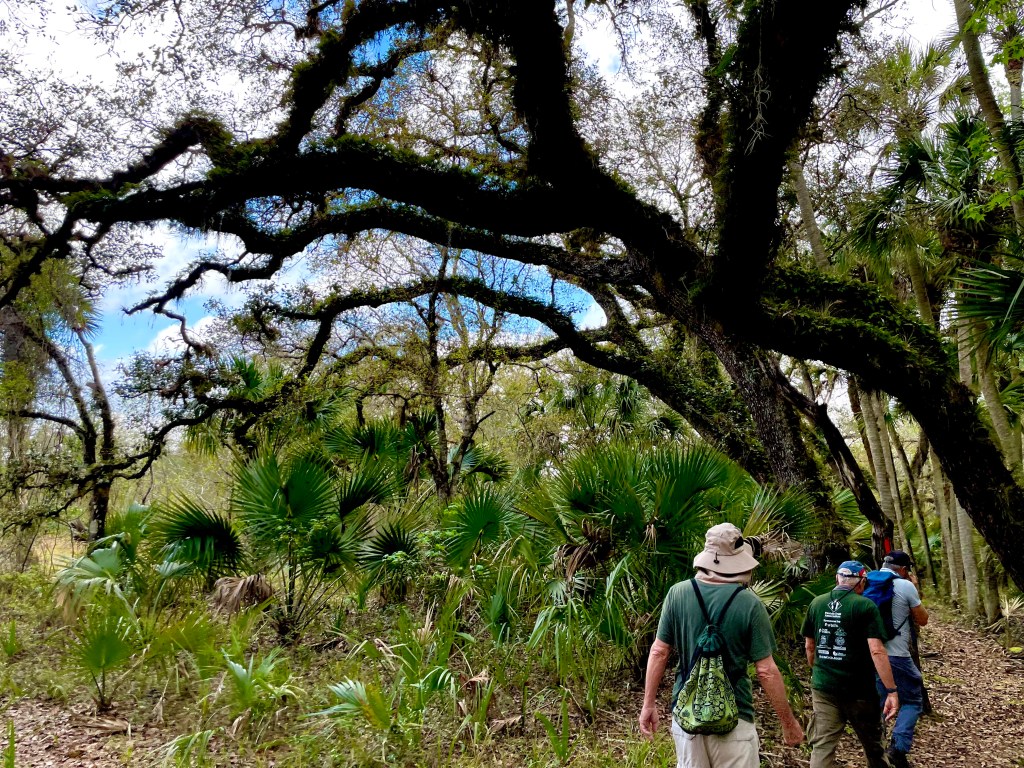
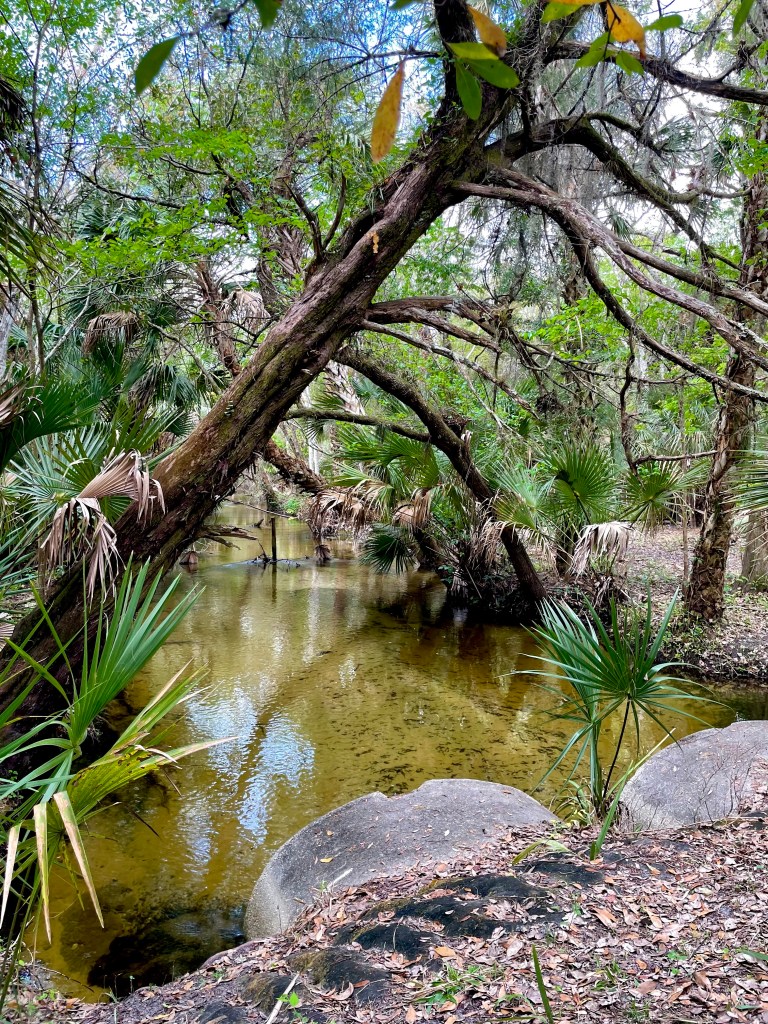
The paths through Orlando Wetlands Park are better for exercise and relaxing strolls than hiking, as you’re unlikely to find much shade or solitude. But for those who prefer forests, you can begin a five-mile hike at the grassy parking lot for Seminole Ranch Conservation Area just across Wheeler Road from the entrance to Orlando Wetlands. From there a forested blue-blazed connector trail meets the Florida Trail in 0.9 miles. You can then hike 2.2 miles north through hydric hammocks and flatwoods filled with live oaks, sable palm, and palmetto, before eventually reaching another blue-blazed trail that runs west beside the canal back to Orlando Wetlands Park. From there, it’s less than a mile to the northern end of the boardwalk through the hardwood swamp, then back to your car.
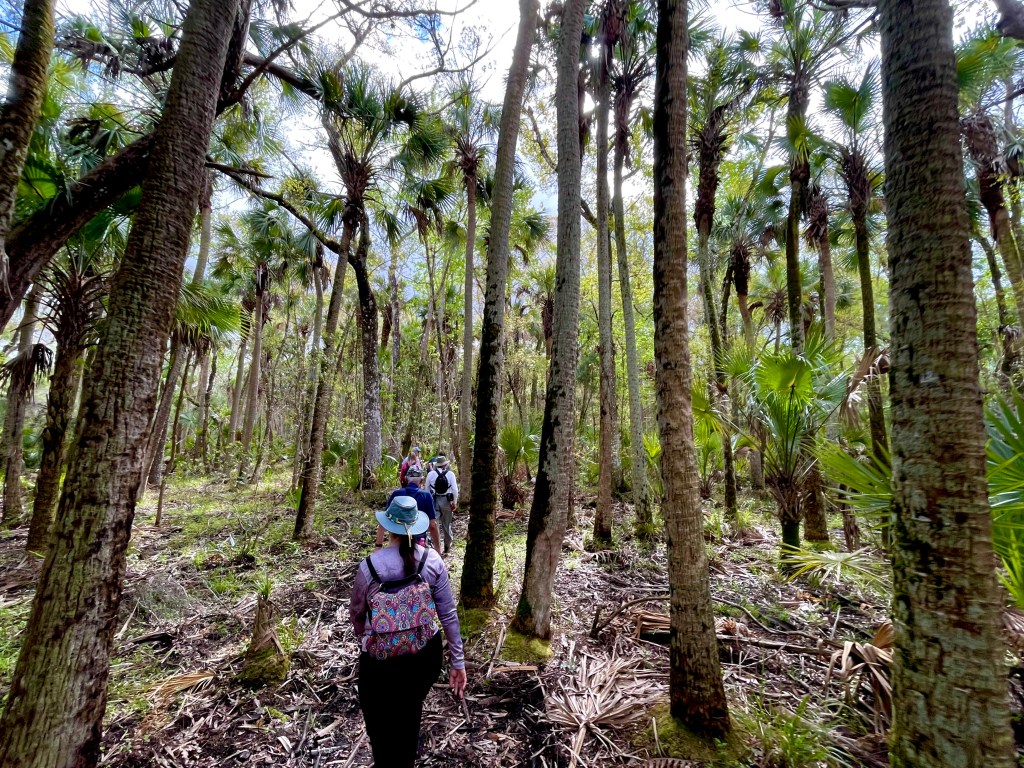
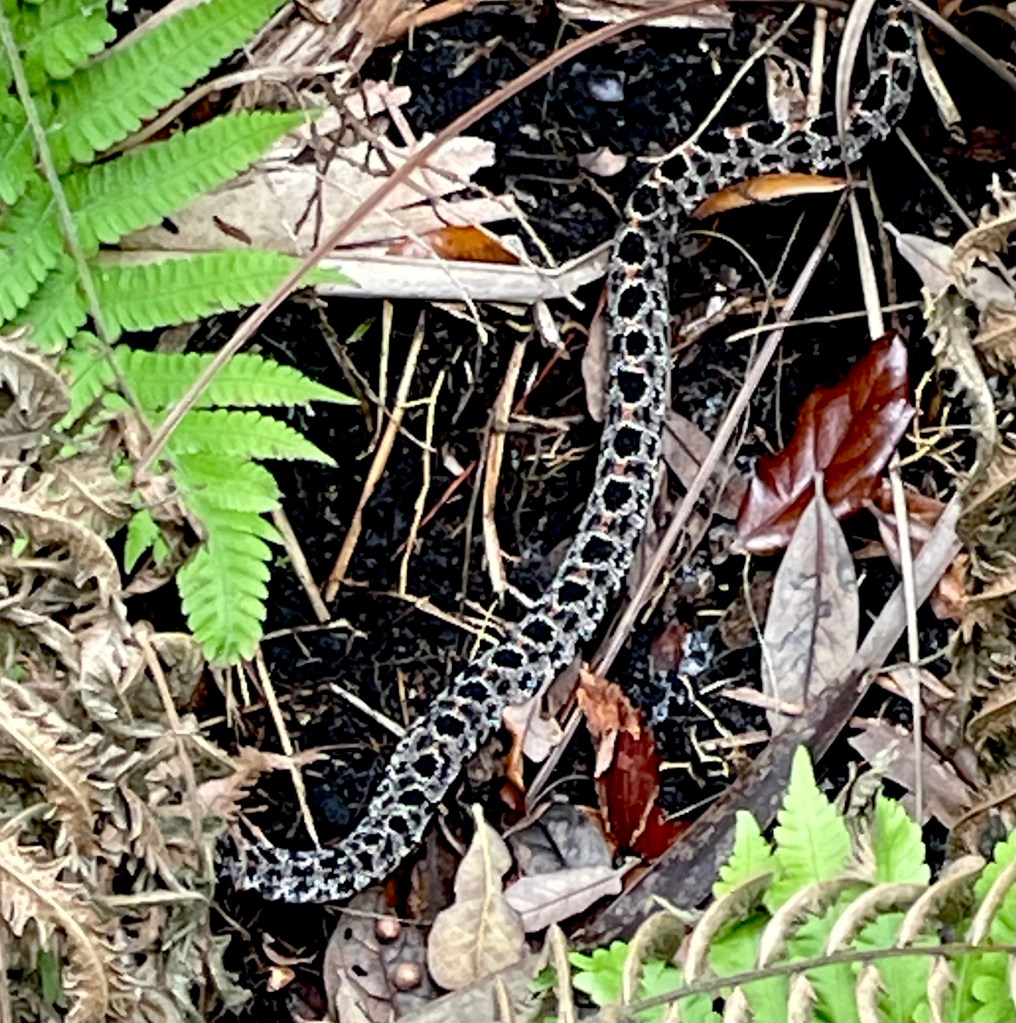
I had planned to include portions of this hike on a one-nighter I took back in January to Joshua Creek camp in Bronson State Forest, but I had to detour at the last minute through Orlando Wetlands because of flooding in Seminole Ranch. But I joined my Florida Trail Association friends this past Sunday for a hike there and enjoyed the scenery and the wildlife—including a pygmy rattlesnake we found beside the trail not far from the canal-side connector trail to Orlando Wetlands and a nest with chicks of roseate spoonbills in a cypress beside the boardwalk at Orlando Wetlands. The trail is now dry and in great shape for hiking after FTA’s winter trail maintenance.
Orlando Wetlands Park is free to visit and open from sunrise through sunset. Seminole Ranch Conservation Area is accessible 24 hours a day, and backpackers may leave vehicles overnight in its Wheeler Road parking area just south of the entrance to Orlando Wetlands. Because of the birds and alligators, pets are not permitted in Orlando Wetlands, but they may join you on a leash in Seminole Ranch. Whether you’re interested in a quiet forest or a close encounter with birds, Orlando Wetlands Park and Seminole Ranch Conservation Area are worth a visit.
Discover more from Central Florida Backpacking Desk Jockey
Subscribe to get the latest posts sent to your email.
