


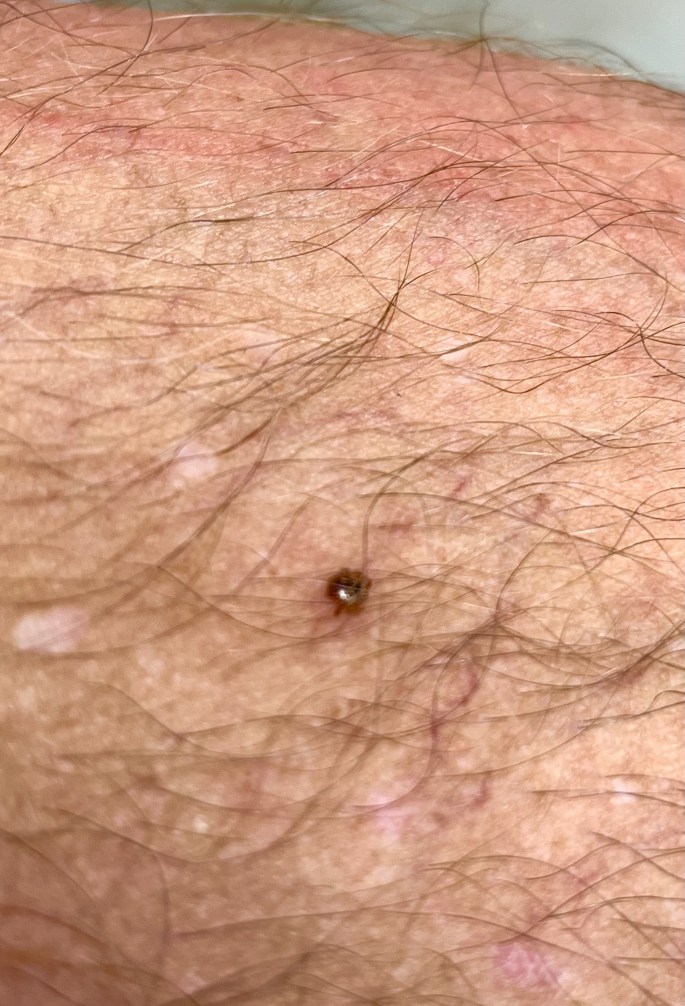
As a review through my recent summer posts will show, your Central Florida Backing Desk Jockey has not written much lately about backpacking and hiking, particularly backpacking in Florida. The truth is that I have not been on the trail much recently—I haven’t hiked in Florida outside a state park in several months, and I’m yearning to get back. The reason for this is a single word, and it’s not heat. It’s ticks.
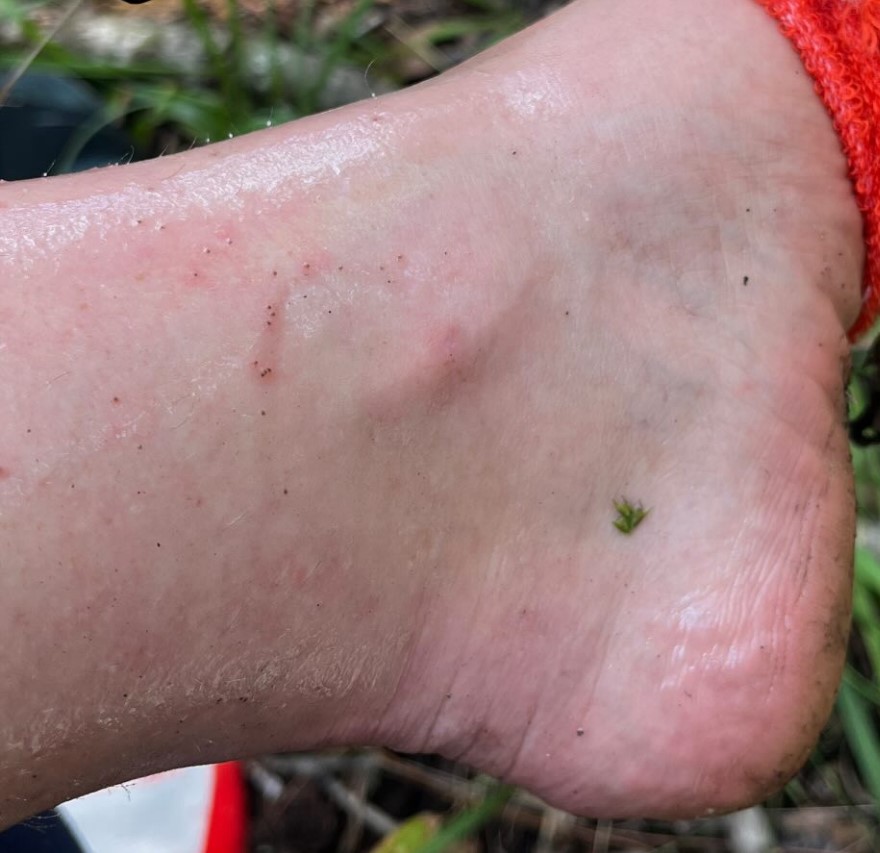
Summer is the high season for tick breeding in Florida, and much of the backcountry is swarming right now with them. A friend from the Florida Trail Association—a true outdoorswoman who refuses to let ticks deter her—recently posted on Instagram about her unpleasant encounter with a “tick bomb,” a swarm of tick larvae that found her ankle on a grassy trail. And although I’ve thus far brought only one tick home with me after almost a month’s worth of one-night backpacking trips over the last two years, I was rattled a bit by the number of ticks I saw around my cabin at my one-week writing residency in the Adirondack Mountains in late April.
The truth is that ticks are all over the country now, and they are spreading to new regions and sticking around longer as temperatures rise and winters become shorter. More and more stories about ticks seem to be popping up in the news each week.
To be clear, this is not an alarmist post. It would be tragic for anyone to avoid our majestic, beautiful backcountry trails in Florida and elsewhere simply because they are afraid of ticks (or snakes or bears or alligators or anything else). But there are some things you can do to avoid having a tick encounter ruin your experience hiking or backpacking.
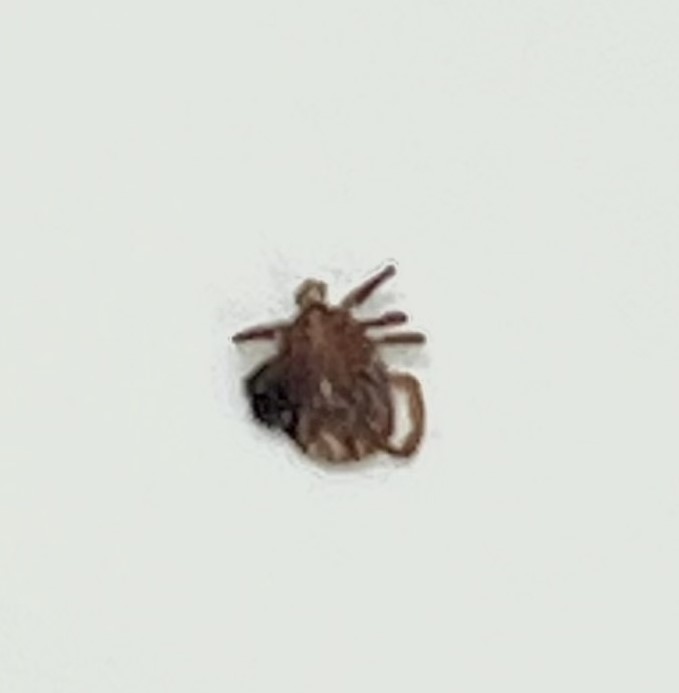
First, of course, is to understand the danger. Ticks are tiny freeloading insects, usually smaller than a chocolate chip and with larvae smaller than poppy seeds, that survive by attaching to the skin of mammal hosts and feeding on their blood. The health risk comes from what they transmit into our bodies through their saliva while they are feeding.
The most well-known illness spread by ticks is Lyme disease, an illness that initially presents as a rash on the skin but, if not caught early enough, can lead to symptoms similar to meningitis, including severe headaches and shooting pains and neck stiffness. Having had it when she lived in Washington, D.C., my wife tells me that Lyme disease is a smidge unpleasant. But there are plenty of other illnesses spread by ticks, and if you want to learn more about them than I do, just read the links I’ve attached to this post.
Nasty as all of that sounds, ticks are not a deal-breaking nuisance and they should not cause you to avoid hiking and backpacking, even here in Florida.
It is true that ticks love hot, humid environments like those found in Florida. But they breed in summer and are more of a problem in the hot, wet months of summer and fall. You’re less likely to deal with ticks in Florida’s cooler and drier winters. In fact, when I began backpacking in January 2024, I did not see my first tick until May, nor did I see any ticks during any of the ten one-night trips I took last season from December 2024 through April 2025.
It’s also important to remember that it usually takes at least a day for a tick to transmit Lyme disease after it attaches to your skin. So if you search for ticks immediately after you’re done hiking and remove any you bring home, you can substantially reduce the risk that you’ll get sick. This has given rise to my marital ritual where my wife checks me for ticks after every hike (after I’ve showered, of course). Although you can do tick checks yourself, it’s helpful to have a friend search in hard-to-see areas like hairlines and the backs of your neck and thighs. Also, always make sure you also check those tender areas not exposed to the outdoors, as the little buggers tend to crawl up legs and down arms.
You can also decrease your chances of meeting a tick by being careful where you step. Ticks are free-loading hitchhikers. They like to linger on long blades of grass waiting for passing hosts, then jump onto socks, arms, or exposed legs that brush against them. So you’re more likely to encounter ticks on grassy trails.

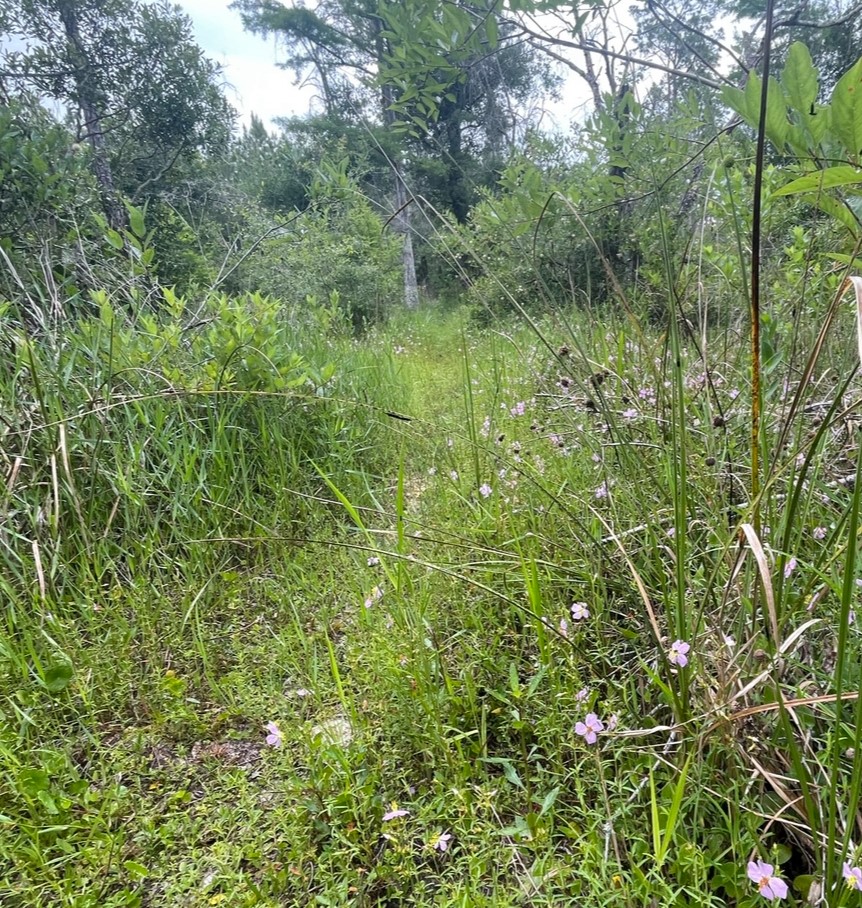
It is for this reason that I’ve been sticking to state parks this summer, as their trails tend to be wider and more frequently mowed than our Florida Trail segments, most of which won’t see seasonal maintenance until the fall. I also recommend moving quickly through grassy sections of trail. I ran through the grassy section of trail in Sweden in the photograph above faster than my daughter flees from homework and household chores.
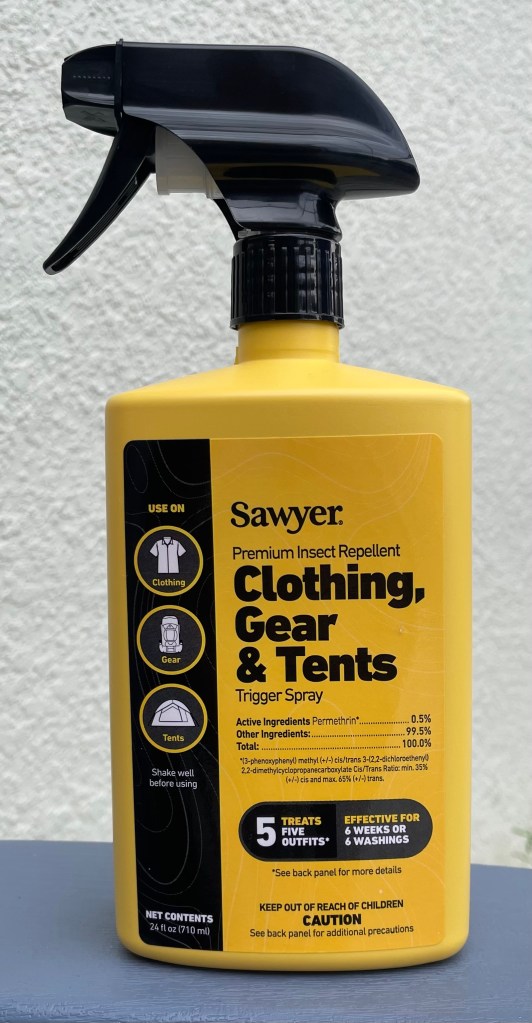
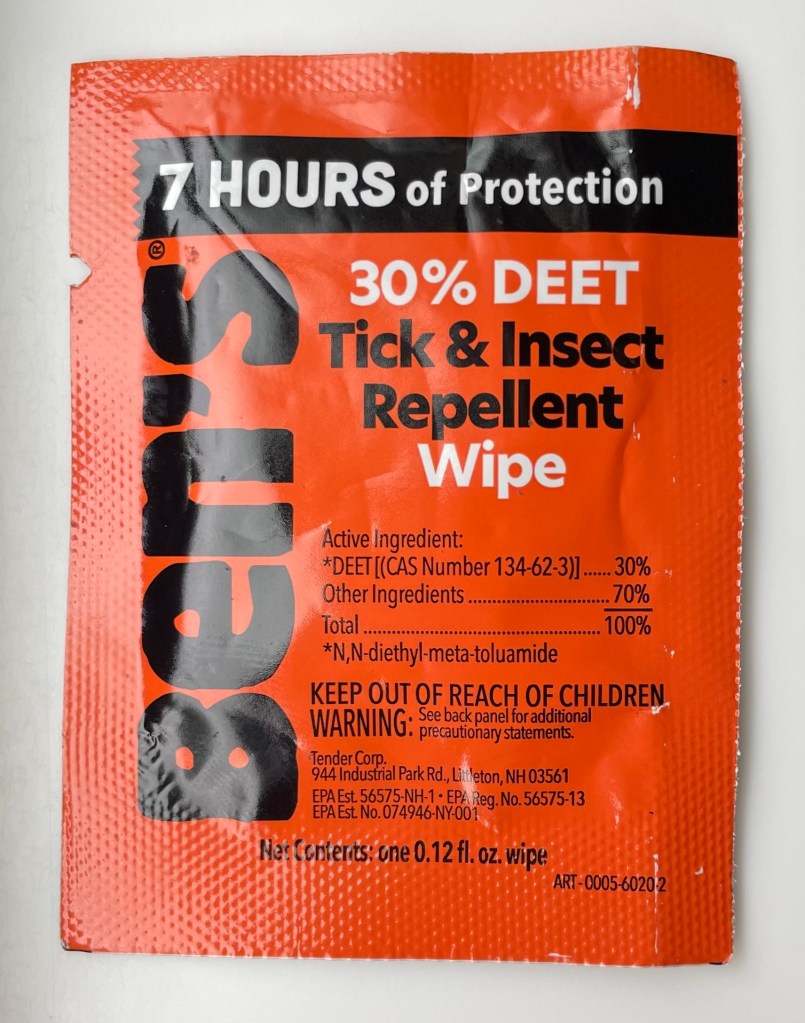
And, of course, there’s Permetherin. Permetherin is a well-known tick repellant that you can spray on shirts, pants, socks, boots, backpacks, tents, and any other items likely to encounter ticks. Although it tends to make clothing a bit starchy and stiff, one treatment will usually stay with your clothes through six or seven wash cycles. Bug spray containing DEET is also known to repel ticks. You just want to keep it away from your eyes and mouth. For example, because I sweat a lot and rub my eyes reflexively, I avoid spraying Permethrin on my gloves and any parts of my hats other than the outer brims.
If you do find a tick, you want to remove it as quickly as possible, and if you’re a nerd like me, you may even save it in a zip lock bag—If you do get sick, saving the tick could help your physician identify the species of tick that zapped you. The two best ways to remove a tick are by using either tweezers or a “tick key,” a cheap, flat device with an eye in the middle that you place around the tick before pulling it out.
The two keys for tick removal are to remove the entire tick (you don’t want to accidentally snap off its head and leave it under your skin) and to prevent the tick from regurgitating its saliva into your skin while you do it. Note also that most experts no longer recommend the method I was taught as a Boy Scout, of heating the tip of your tweezers with a lighter and lightly touching the tick before pulling it out to make it let go of your skin.
Sandra Friend of FloridaHikes.com also recommends wearing pants and long sleeves and tucking your pants into your socks, and also wearing lighter colors that will make it easier to see any ticks that crawl on you. She also recommends washing hiking clothes in hot water and drying them in high heat to kill any tick larvae you bring home. She also recommends soaking in a hot tub or hot bath after a hike to kill any ticks you don’t see. (I can think of other reasons to recommend this.)
Again, ticks are not a reason to avoid hiking and backpacking in Florida, certainly not during our wonderful winter backpacking season. But taking these precautions can reduce the chance that those little blood suckers will ruin your experience enjoying the Florida outdoors.
Much of the information discussed in this blog post was taken from the articles linked above.
Discover more from Central Florida Backpacking Desk Jockey
Subscribe to get the latest posts sent to your email.
